A counterintuitive moment in the precious metals market — and what it tells us
Gold is supposed to go up when wars start. That is the oldest rule in the safe-haven playbook. Fear drives investors into hard assets, hard assets hold value, gold rises. It is so intuitive that it has practically become conventional wisdom.
March 2026 is tearing that playbook apart.
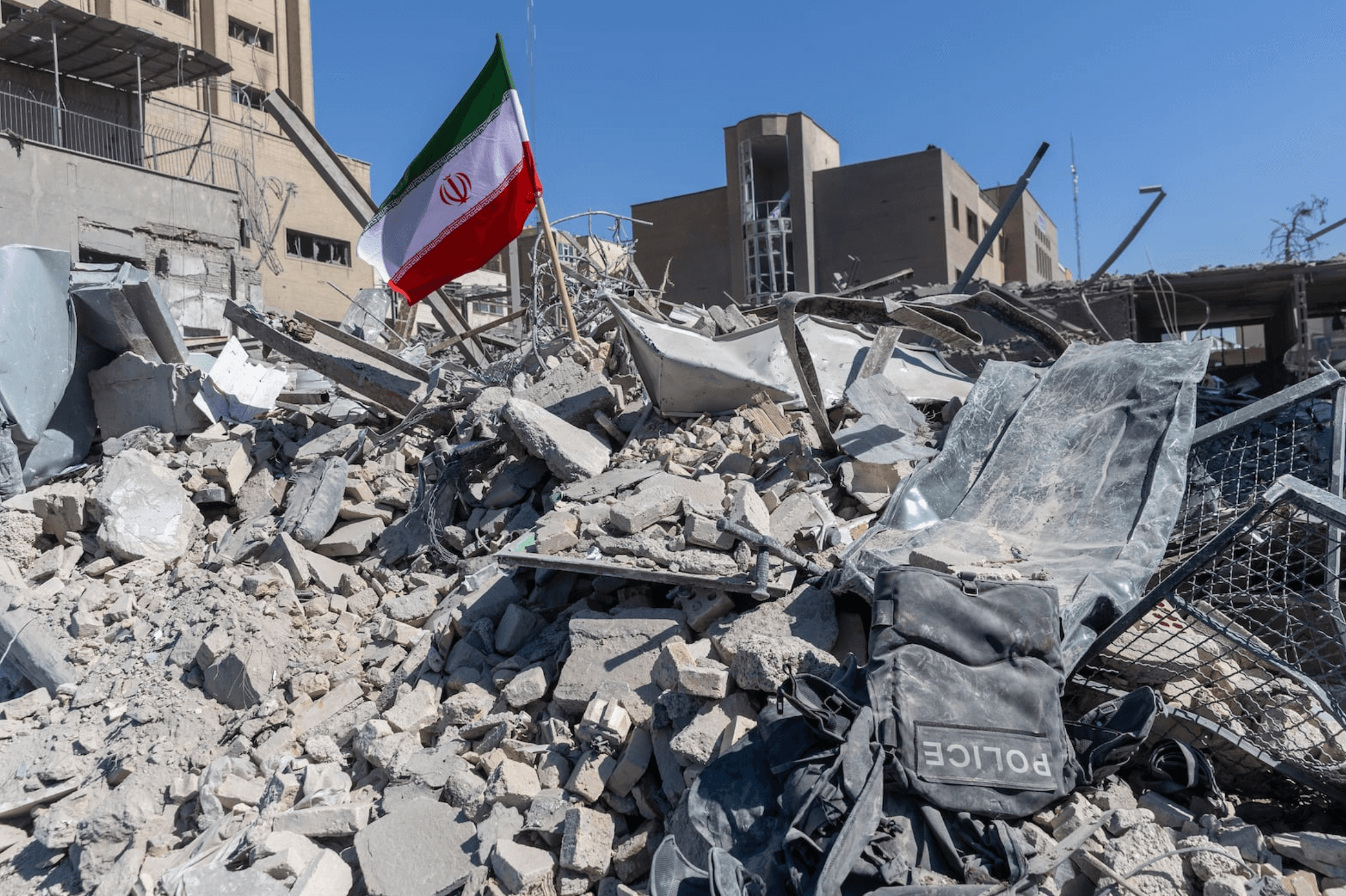
The United States and Israel are actively engaged in military operations against Iran. Oil has blown past $100 a barrel. Global equity markets are in freefall — the Dow and S&P 500 have each dropped four weeks in a row. And gold? Gold dropped 11% in a single week, posting its biggest weekly loss since 1983, and is down more than 14% since the war began. From its all-time high of roughly $5,500 in January, the metal has shed more than 20%.
How is this possible? The answer is more interesting than it might seem.
The Oil Shock Is Working Against Gold
The intuitive logic says: war in the Middle East → higher oil → inflation → gold goes up. The problem is that the chain of causation doesn't stop there.
The Iran war has sent oil prices higher and revived fears that inflation will last longer than expected. When inflation looks stubborn, central banks are more likely to keep interest rates higher for longer, or at least delay cutting them. Bad news for gold.
Before the Iran war, markets had priced in the Fed's first rate cut as early as June 2026. That expectation was one of the pillars holding gold's price up. The war didn't just eliminate that expectation — it flipped it entirely. Money markets shifted to pricing no cuts in 2026 at all, with the first full cut now pushed to H1 2027.
Gold pays no interest. It never has. A US Treasury bond is currently yielding 3.5–3.75% per year, guaranteed. Every $10,000 in a Treasury bond earns roughly $350–$375 annually while the same $10,000 in gold earns exactly $0. When that gap widens, institutional money moves — and it has.
The Dollar Stole Gold's Job
There is a second dynamic at work. In a genuine crisis, global investors don't just want safety — they want liquidity. And in a liquidity crunch, the US dollar typically wins before gold does.
Fear is showing up in a stronger dollar and higher bond yields, not a surge in gold. Gold's decline since the conflict began reflects investors prioritizing cash-like safety and easy access to dollars. That pattern has appeared in past crises, too, when gold initially fell as markets rushed to hold dollars instead.
The dollar has emerged as one of the clearest safe-haven winners, strengthening over 2% so far this month. For a non-yielding asset like gold, that is a double blow — a stronger dollar makes gold more expensive for international buyers, suppressing demand from every non-US investor simultaneously.
So Is Gold Broken?
Not likely. The same Wall Street institutions watching gold fall are largely keeping their long-term targets intact. J.P. Morgan predicts prices will reach $6,300 per ounce by the end of 2026, while Deutsche Bank is standing by a $6,000 year-end target.
The structural case for gold — central bank buying, US fiscal deficits, long-term dollar weakness — hasn't changed. What has changed is the timing of the rate cut cycle that markets were counting on. If and when that cycle resumes, or when the dollar rally fades, gold's fundamentals reassert themselves.
Seasoned observers note that gold is in the middle of only its third major bull run since 1971, and that the previous two also caused stomach-churning fluctuations. Corrections inside bull markets are not the same as bull markets ending.
The Takeaway for Coin and Bullion Dealers
For those of us in the physical metals business, this moment is worth paying attention to — not with alarm, but with context. Spot prices are down sharply from January highs. That creates pricing conversations with customers who bought near the top, and opportunities for customers who have been waiting on the sidelines.
The counterintuitive nature of this selloff — gold falling during a war — is confusing to retail buyers. Explaining it clearly, the way this post attempts to, can be the difference between a panicked seller and an informed one who holds, or buys more.
Gold isn't ignoring the war. It's reacting to what the war is doing to interest rates and the dollar. That is a more sophisticated story, and right now, it's the right one to tell.
Views expressed are for informational purposes only and do not constitute investment advice.