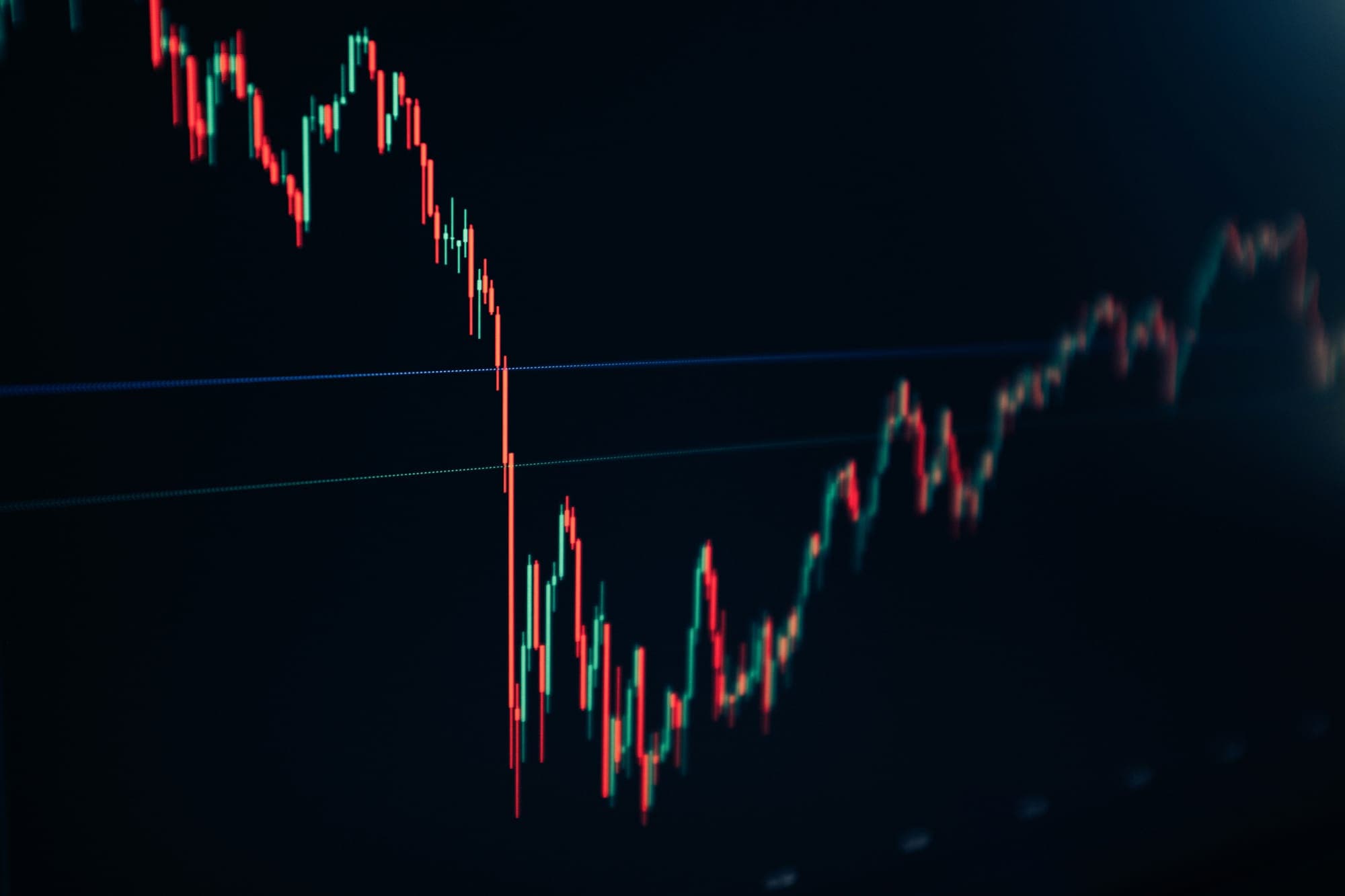
Volatility is not a bug in the precious-metals market—it’s a feature. Gold and silver don’t trade like consumer goods or equities, and in periods of macro stress, monetary uncertainty, or supply-chain disruption, price discovery becomes messy fast.
Whether you’re buying, selling, or doing both, the same reality applies: the rules change in volatile markets. Those who recognize that early preserve value. Those who don’t tend to chase headlines, overreact to short-term price action, or misjudge liquidity.
Here’s how disciplined buyers and sellers navigate volatile precious-metals markets—and why structure matters more than prediction.
1. Volatility Compresses Decision Time (and Punishes Emotion)
In quiet markets, spreads are tight, price locks are routine, and liquidity feels infinite. In volatile markets, that illusion disappears.
Spot prices can move materially intraday. Buy-backs get repriced. Payment timelines stretch. Some wholesalers and refiners pause price locking altogether. None of this is abnormal—it’s how risk is managed upstream.
The mistake many participants make is assuming yesterday’s conditions still apply today.
The discipline is understanding that:
- Speed matters more than perfection
- Hesitation can be more expensive than being early or late
- Emotion—fear or greed—shows up directly in bad pricing decisions
Volatility rewards preparation, not reaction.
2. For Buyers: Price Isn’t the Only Variable That Matters
In fast markets, buyers tend to fixate on spot price alone. That’s understandable—but incomplete.
A smarter framework considers:
- Availability: Inventory often thins before price spikes are fully reflected
- Premium behavior: Premiums can expand even when spot pulls back
- Counterparty certainty: Who you’re buying from matters more when things move quickly
In other words, the “best price” on paper can easily become the worst trade if fulfillment, settlement, or authenticity is uncertain.
Volatile markets reward buyers who:
- Know their product categories ahead of time
- Understand acceptable premium ranges before transacting
- Prioritize execution certainty over theoretical savings
3. For Sellers: Liquidity Is a Function of Market Structure, Not Just Demand
When markets move violently, sellers often assume strong prices guarantee instant liquidity. That’s not always true.
Upstream buyers—wholesalers, mints, refiners—manage their own risk. When volatility spikes:
- Price locks may be suspended
- Settlement windows may widen
- Buy-backs may be discounted to reflect capital risk
None of this implies weak end-market demand. It reflects risk management under stress.
Savvy sellers understand:
- Spot price ≠ immediate cash price
- Liquidity is deepest where transparency and trust are highest
- Fragmented or opaque selling environments widen spreads
The goal isn’t to “time the top.” It’s to transact when the market can absorb size efficiently.
4. Transparency and Trust Matter More When Markets Are Fast
Volatile markets expose weak infrastructure.
Platforms and processes built for static pricing struggle when prices move, inventory changes, and fraud risk increases. That’s when transparency becomes a competitive advantage—not a buzzword.
Strong market participants demand:
- Real-time pricing tied to live spot
- Clear disclosure of premiums and settlement terms
- Identity verification on both sides of the trade
Trust isn’t optional in volatile markets—it’s priced in.
5. Why Structure Beats Speculation
Most losses in volatile markets don’t come from being “wrong” about price direction. They come from:
- Overtrading
- Poor execution
- Counterparty failures
- Misunderstanding liquidity constraints
Structured participants focus on:
- Defined allocation strategies
- Repeatable buying and selling rules
- Platforms that adapt to real-time market conditions
Speculation tries to outguess the market. Structure allows you to operate within it.
6. The CoinDuffle Philosophy: Built for Volatility, Not Calm
CoinDuffle was built with one assumption: markets won’t always be orderly.
That’s why the platform emphasizes:
- Live spot-linked pricing
- Transparent premiums
- Verified counterparties on both sides of the transaction
- Infrastructure designed for fast-moving, high-risk environments
Volatile markets don’t require smarter predictions—they require better systems.
Final Thought
Gold and silver volatility isn’t something to fear or chase. It’s something to respect.
Buyers who understand execution risk preserve value.
Sellers who understand liquidity dynamics avoid forced decisions.
And participants who rely on structure—not emotion—are the ones still standing when markets calm down.
Volatility separates noise from signal. The right tools help you hear the difference.